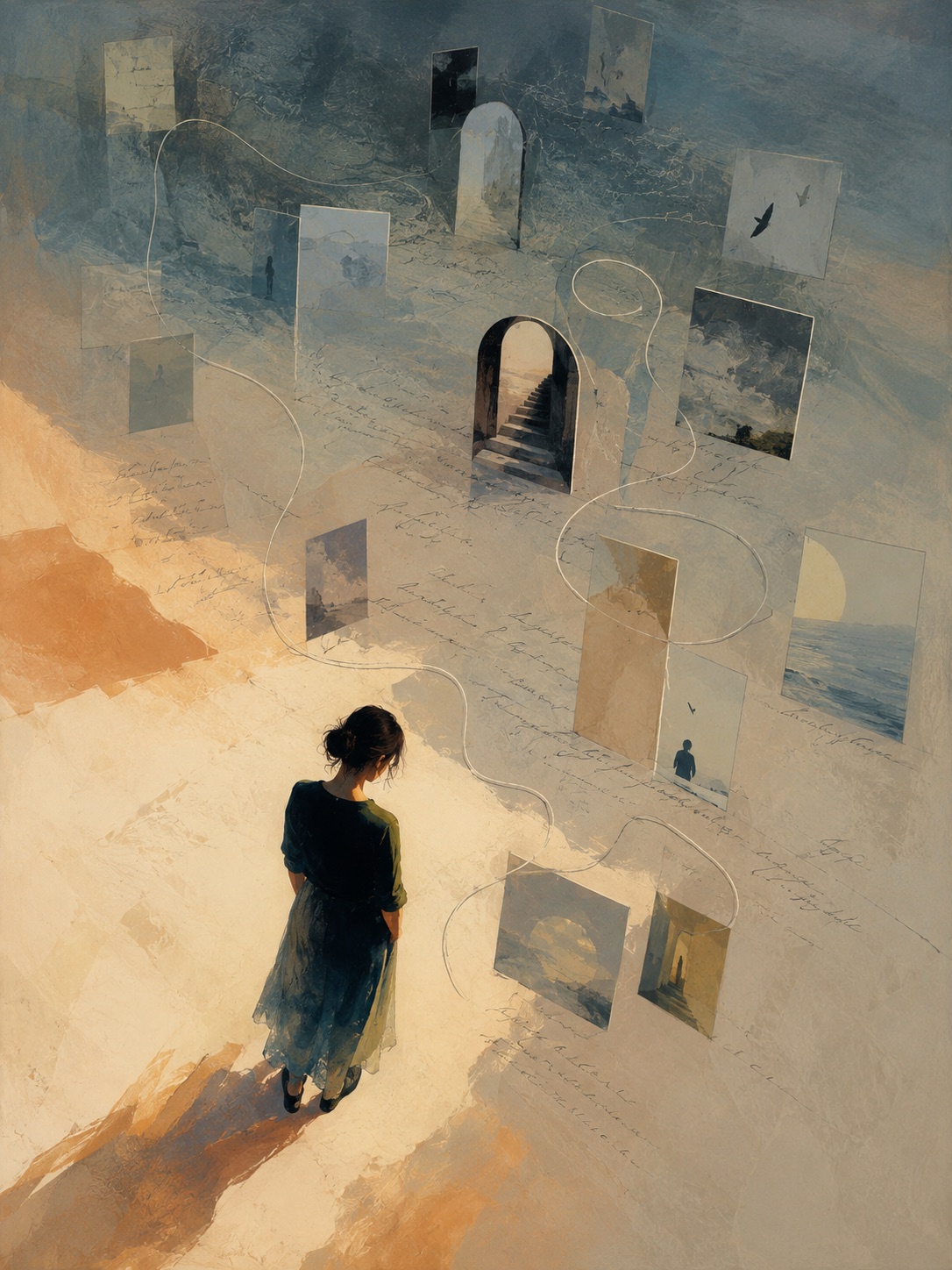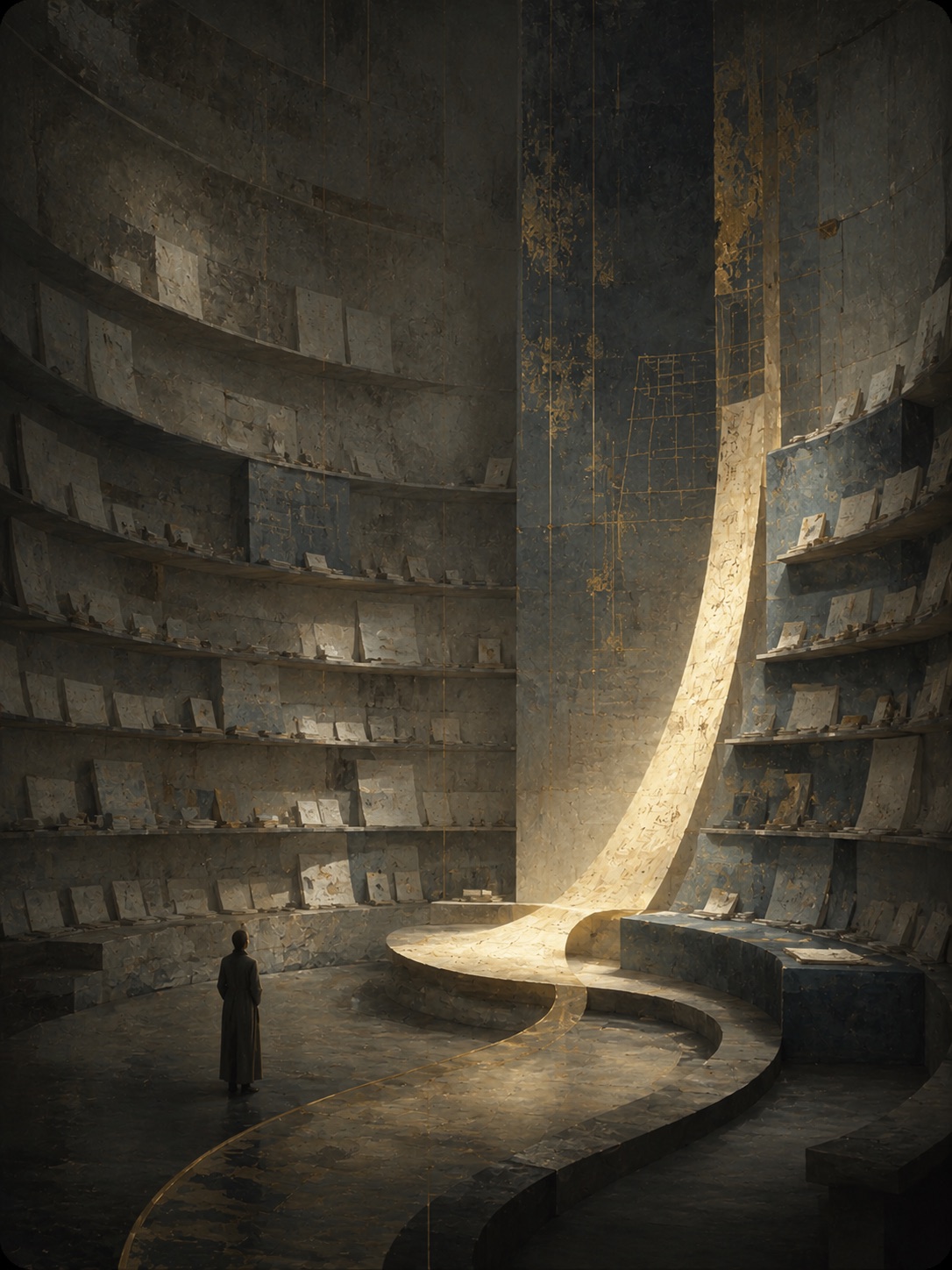
Journaling can feel pointless when the page only stores the same thoughts without helping you see anything new. The problem is not always that you are writing wrong. Sometimes the writing needs a better return.
A useful journal does not need to produce a dramatic breakthrough. It should help one thing become clearer than it was before.
When The Journal Becomes Storage
Many people start journaling because they are told it will help.
For a while, it does.
Then the entries begin to sound familiar.
You write that you are overwhelmed again. You write that you are overthinking again. You write about the same person, the same decision, the same feeling that keeps changing shape but never quite leaves.
The page becomes an archive of the loop.
That can feel discouraging, especially when you are being honest. You are showing up. You are putting the thought somewhere. But after you close the notebook, it can feel like nothing happened.
The thought was stored. It was not understood.
You May Need A Better Question
If journaling feels pointless, try changing the task.
The default question is usually:
What happened today?
That can be useful, but it often turns journaling into a recap. Recaps are easy to write and easy to abandon because they do not always touch the part that is actually active.
Try a sharper question:
What keeps returning?
Or:
What part of this still feels unfinished?
Or:
What am I hoping someone else will confirm?
The right question does not make the entry longer. It makes the entry more precise.
Find The Active Thread
Every entry does not need to cover your whole life.
The useful part is usually smaller than the full story. It is the sentence with the most charge. The message you keep rereading. The small moment you keep explaining away. The part you would skip if you were trying to sound mature.
That is the active thread.
When journaling feels pointless, the active thread is often buried under summary.
You do not need to write:
Today was stressful and I felt off.
You can write:
I keep thinking about the moment I went quiet.
That second sentence has a place to go.
A Five-Minute Way To Make Journaling Useful Again
Set a timer for five minutes.
Choose one sentence from the thought that keeps repeating. Then answer:
- What is the exact sentence I keep returning to?
- What does this sentence want me to notice?
- What am I still trying to prove, protect, or understand?
- What would I write if I stopped trying to be reasonable?
- What is one thing this entry made clearer?
Then stop.
The goal is not to solve your life on the page. The goal is to leave with one clearer shape than you had before.
A Journal Should Give Something Back
Sometimes the blank page is enough.
Sometimes it is not.
If you keep writing the same thought, you may need more than storage. You may need a return: a clearer sentence, a visual form, a better question, a pattern, or a reason to come back.
That does not mean journaling has failed. It means the page has to do more than hold your words.
Where Antena Fits
Antena is built around a simple idea: a journal can give your writing back.
You write honestly. Antena returns the entry as a painting and a daily insight. Over time, weekly letters help connect what keeps showing up across your entries.
It is still journaling. But the writing does not stay silent.
If journaling has started to feel like storing the same thought, start with one entry around what keeps returning.
Antena turns honest writing into paintings, daily insights, and weekly letters.

FAQ.
Why does journaling feel pointless sometimes?
Journaling can feel pointless when it becomes a place to store repeated thoughts without helping you understand what the repetition is pointing toward.
How do I make journaling feel useful again?
Use a sharper question. Instead of recapping the whole day, write the exact sentence, moment, or feeling that keeps returning.
What should I write if I keep repeating myself?
Write: "The thing I keep circling is..." Then ask what the repeated thought wants you to notice, protect, prove, or understand.
Is a blank journal enough?
A blank journal can be enough, but not for every moment. Some people need prompts, structure, visual reflection, or continuity to make writing easier to return to.